
Precision casting with excellent quality
Integrated research and development, manufacturing, sales, and technical services of laboratory scientific instruments and intelligent equipment
National Consultation Hotline 15738867410
Integrated research and development, manufacturing, sales, and technical services of laboratory scientific instruments and intelligent equipment
National Consultation Hotline 15738867410

15738867410
Greenland Binhu International City (District 1), Erqi District, Zhengzhou City, Henan Province
Details
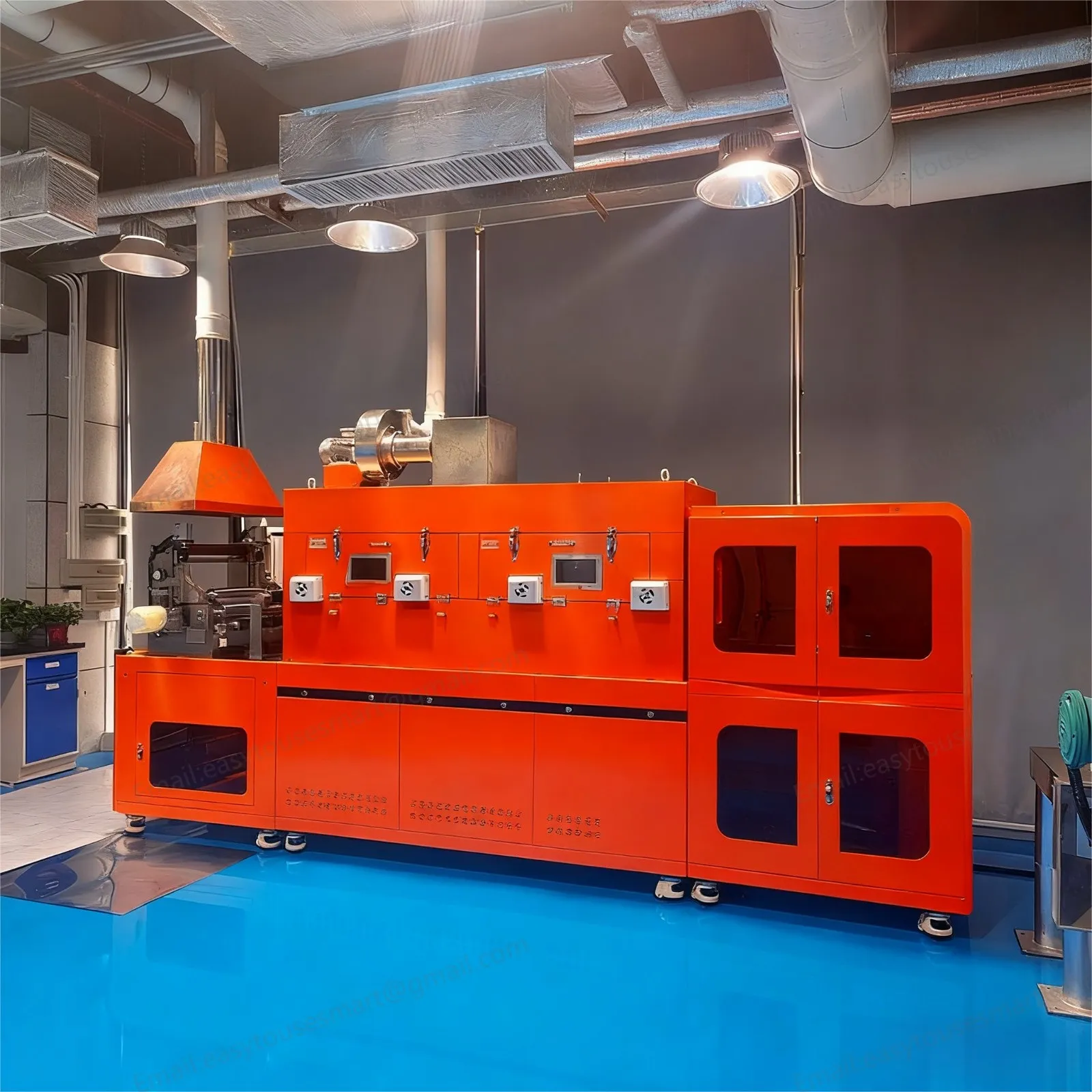
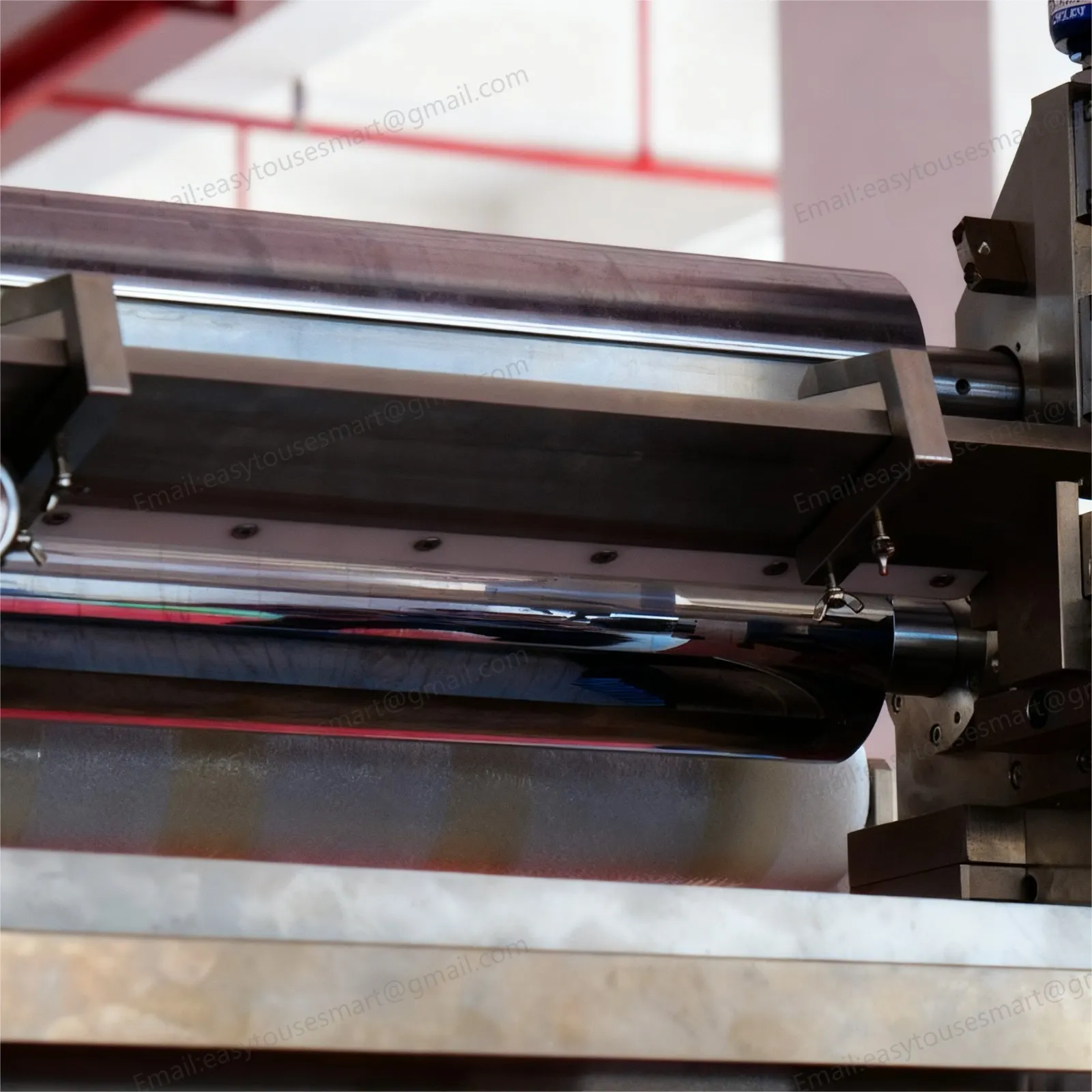
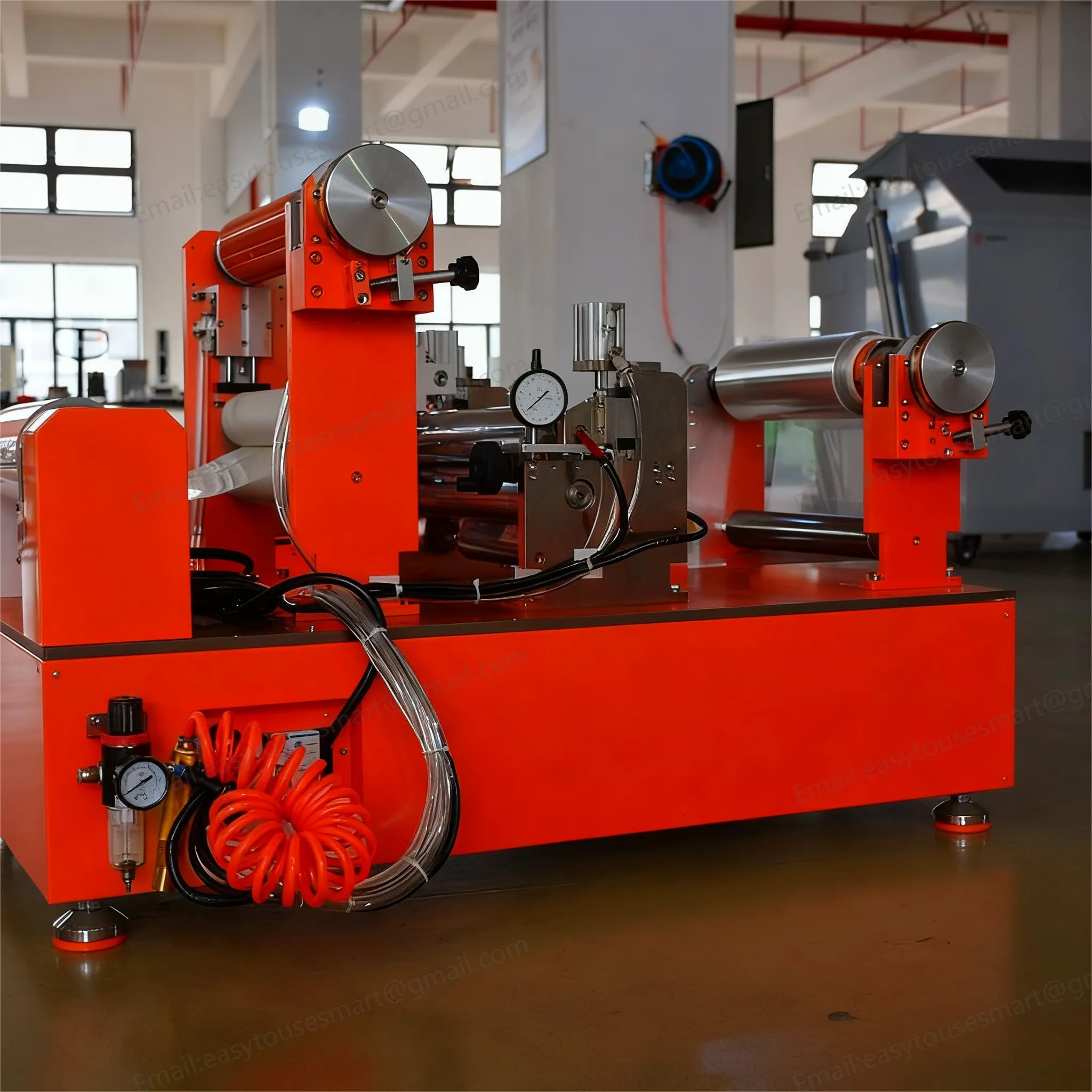
The compact roll coating system is a specialized continuous coating solution designed for material science research, new product development, and small-scale pilot production. Mimicking industrial-grade roll-to-roll (R2R) manufacturing processes, it integrates core modules including precision unwinding, tension control, comma coater technology, online heating/drying, and automated winding. Its innovative comma coater design, supported by high-rigidity rollers, enables effective processing of diverse material systems—from low-viscosity solvent-based coatings to high-solid, high-viscosity pastes (e.g., lithium battery electrode pastes, ceramic pastes, conductive inks).
The device features a modular and compact structure, occupying minimal space and offering user-friendly operation, serving as an ideal bridge between laboratory flat coating and industrial-scale production. The compact roller coating machine is particularly suitable for continuous film preparation process research in fields such as new energy batteries (lithium batteries, solid-state batteries), photovoltaic industry (perovskite, organic photovoltaics), printed electronics (flexible circuits, RFID antennas), functional films (optical films, barrier films), and biomedical materials. It enables researchers to rapidly validate coating process parameters, evaluate film quality under continuous operation, and provide critical data support for scaling up production.
·
High Precision Comma Scraper Coating System
·
o Micron-level gap adjustment: Equipped with a high-rigidity comma-shaped scraper head, the blade edge is precision-ground to support micron-level (μm) gap adjustment. Users can finely set the gap between the scraper and the back roller according to the target wet film thickness, achieving precise control of coating thickness within the range of 1μm to 500μm.
o Optimal pressure distribution: The unique geometry of the comma scraper creates a stable pressure zone between the scraper and the back roller, effectively eliminating defects like streaks and fish-eye spots, while significantly improving the coating's uniformity in both transverse and longitudinal directions (Uniformity <±3%).
o Corrosion-resistant materials: Both the scraper and back roller are made of high-quality stainless steel or ceramic, with a hardened surface that resists corrosion from various organic/inorganic solvents, ensuring long service life and easy cleaning and maintenance.
·
Continuous roll-to-roll (R2R) operation mode
·
o The fully automated process integrates four core units: material unwinding, coating, drying, and rewinding, enabling continuous automated processing from raw material to finished product. This significantly enhances experimental efficiency and sample consistency.
o Wide substrate compatibility: Supports various flexible substrates including PET, PI, copper foil, aluminum foil, non-woven fabric, and paper. Maximum unwinding/reel diameter reaches 200mm, accommodating different experimental length requirements.
o Flexible speed control: The coating speed is continuously adjustable from 0.1 m/min to 20 m/min, meeting both the low-speed leveling requirements for high-viscosity slurries and the high-speed drying processes for low-viscosity coatings.
·
intelligent tension control system
·
o Closed-loop tension feedback: The system integrates a high-sensitivity tension sensor with a magnetic powder brake/servo motor to form a closed-loop tension control system. It continuously monitors and automatically adjusts the unwinding and rewinding tensions, ensuring the substrate maintains a constant tension state during high-speed operation.
o Preventing substrate deformation: Precise tension control effectively prevents stretching deformation, wrinkling, and misalignment of flexible substrates during coating, which is crucial for ensuring the uniformity of ultra-thin coatings.
o Taper tension function: Supports setting a taper tension mode that automatically adjusts tension based on the reel diameter, preventing the inner layer from being too tight or the outer layer from being too loose, ensuring neat and attractive winding.
·
online heating drying unit
·
o Multi-stage temperature-controlled drying: The coated material immediately enters the heating and drying zone. The drying chamber length can be customized according to requirements (standard length: 1-2 meters). The interior employs infrared heating or hot air circulation heating, with a temperature control range from room temperature to 200°C, achieving a temperature control accuracy of **±1°C**.
o Gradient drying process: Supports multi-stage independent temperature control, allowing the setting of temperature gradient curves to simulate the staged drying process in actual production, optimizing solvent evaporation rate, and preventing surface skinning or internal bubble formation in the coating.
o Exhaust gas discharge port: The drying chamber is equipped with a reserved exhaust outlet, which can be connected to external ventilation or exhaust treatment devices, complying with laboratory environmental protection and safety standards.
·
Humanized Operation and Safety Design
·
o Touchscreen control panel: Equipped with a high-definition industrial touchscreen, it displays and controls key parameters such as speed, tension, temperature, and metering. Supports storage and one-click retrieval of multiple process recipes.
o Alignment correction system (optional): An optional photoelectric automatic alignment correction device (EPC) can be installed to monitor the substrate edge position in real time and automatically adjust the unwinding/coiling shaft positions, preventing coating failures caused by misalignment.
o Safety protection mechanisms: Equipped with emergency stop buttons, overheat protection, overload protection, and protective covers to ensure operator safety. The electrical system complies with CE standards and operates stably and reliably.
Parameter item | qualification |
model | Small Roller Coater (Lab R2R Coater) |
Coating method | Comma Coating |
coating speed | 0.1 m/min to 20 m/min (stepless adjustment) |
thickness range of coating | 1 μm-500 μm (wet film, adjustable) |
coating width | Maximum 300 mm (effective coating width) |
unroll/reel diameter | Maximum φ200 mm |
Substrate type | flexible materials such as PET, PI, copper foil, aluminum foil, paper, and non-woven fabric |
tension control | closed loop automatic control (magnetic powder braking/servo drive) |
drying temperature | room temperature-200℃ |
temperature control accuracy | ±1 ℃ |
Drying method | Infrared heating / Hot air circulation (optional) |
power requirement | AC 220V, 50/60Hz, 3-5 kW |
outline dimension | Approximately 1500mm × 800mm × 1400mm (length × width × height) |
weight of equipment | Approximately 150 kg |
navar | PLC + touch screen human-machine interface |
Research and Development of Lithium-ion Batteries:
o For continuous coating experiments of positive and negative electrode slurries (e.g., lithium iron phosphate, ternary materials, graphite, silicon-carbon) on copper or aluminum foil.
o The effects of coating speed, drying temperature and tension on the microstructure, peel strength and electrochemical performance of the electrode were studied.
o The process adaptability of new binder or conductive agent is verified, and the parameter basis is provided for the pilot line.
Flexible Electronics and Printed Circuits:
o The continuous patterning or full coating of conductive silver paste, carbon nanotube ink and graphene ink on PET / PI flexible substrate was carried out.
o The flexible heater, RFID antenna, touch sensor and wearable device circuit are prepared.
Photovoltaic and optoelectronic materials:
o The continuous deposition of perovskite precursor solution, organic semiconductor materials and electron / hole transport layer.
o The crystallization quality and photoelectric conversion efficiency of large area thin films are studied to promote the industrialization of flexible solar cells.
Functional Films and Packaging Materials:
o The continuous preparation of high barrier coating, anti-fog coating, anti-fingerprint coating and optical anti-reflective coating were also discussed.
o The effects of different drying processes on the coating transparency, adhesion and barrier properties were tested.
Biomedicine and Separation Membranes:
o Continuous coating of biocompatible polymer membrane, drug sustained release coating and hemodialysis membrane.
o The key materials for energy and separation fields such as ion exchange membrane and proton exchange membrane are prepared.
The compact roller coating machine represents a pivotal transition from laboratory to industrial production. It not only delivers exceptional coating uniformity and thickness control through its comma-shaped scraper, but also authentically simulates mass production environments via continuous roll-to-roll operation. Intelligent tension control resolves the challenges of coating flexible substrates prone to deformation, while online heating and drying ensure process integrity and continuity. Its space-saving design conserves valuable laboratory space, and flexible speed and temperature adjustments meet diverse material testing requirements. Whether for new material process screening, formulation optimization, or small-batch sample production, this machine provides efficient, stable, and highly valuable experimental data. Choosing it means embracing seamless integration from lab to production line, accelerating technology commercialization, and securing market leadership.
QR code

Contact information
15738867410
Online Message
Top